
How Flooring Impacts Your Home’s Sale: Why Buyers Pay Attention to What’s Underfoot
In the competitive real estate market, every detail matters, and flooring is no exception. This article delves into how the type, condition, and appearance of your home's floors can significantly affect its marketability and sale price. Flooring is not just a functional part of the house; it sets the mood and tone for potential buyers right from the moment they step inside. As one of the first elements to greet the eyes upon entry, floors can be a significant deciding factor for discerning buyers. Many homeowners turn to flooring stores for guidance when selecting materials that enhance both value and aesthetic appeal. Understanding the impact of different flooring types can help homeowners make strategic upgrades that enhance their home's value and appeal.
1. The Importance of First Impressions
Flooring has a profound psychological impact on the perception of a home. The look and feel of the floor can convey warmth, elegance, or even trendiness, impacting the buyer's initial impressions. A clean, well-maintained floor suggests that the home has been cared for, while neglected floors can turn prospective buyers away. According to the National Association of Realtors (NAR), flooring is one of the top home features that influences buyers' decisions. When buyers walk into a home, the flooring underfoot plays a pivotal role in setting their expectations and shaping their overall perception, making advice from reputable flooring stores invaluable.
The entryway and hallway are critical areas where first impressions are formed. These spaces act as transitional zones that can noticeably set the mood as buyers move through different rooms. Flooring in these areas should ideally be both attractive and durable, ensuring that it withstands heavy foot traffic while maintaining aesthetic appeal. Buyers often notice if the flooring differs in style or quality, which can disrupt the flow and cohesion of the home. Consistent, high-quality flooring in entryways and hallways can seamlessly guide buyers from room to room, enhancing their overall experience of the home.
Consistency in flooring throughout the home fosters a sense of continuity and cohesiveness. When buyers encounter multiple flooring types or colors from room to room, it can create a disjointed and fragmented atmosphere. Consistent flooring offers a unified appearance that appeals to potential buyers who desire fluidity in home design. This uniformity also makes the space feel larger and encourages a natural flow throughout different areas. Homeowners contemplating flooring upgrades often consult flooring stores to explore styles that maintain consistency across living spaces and boost buyer satisfaction.
2. Flooring Types and Their Market Perception
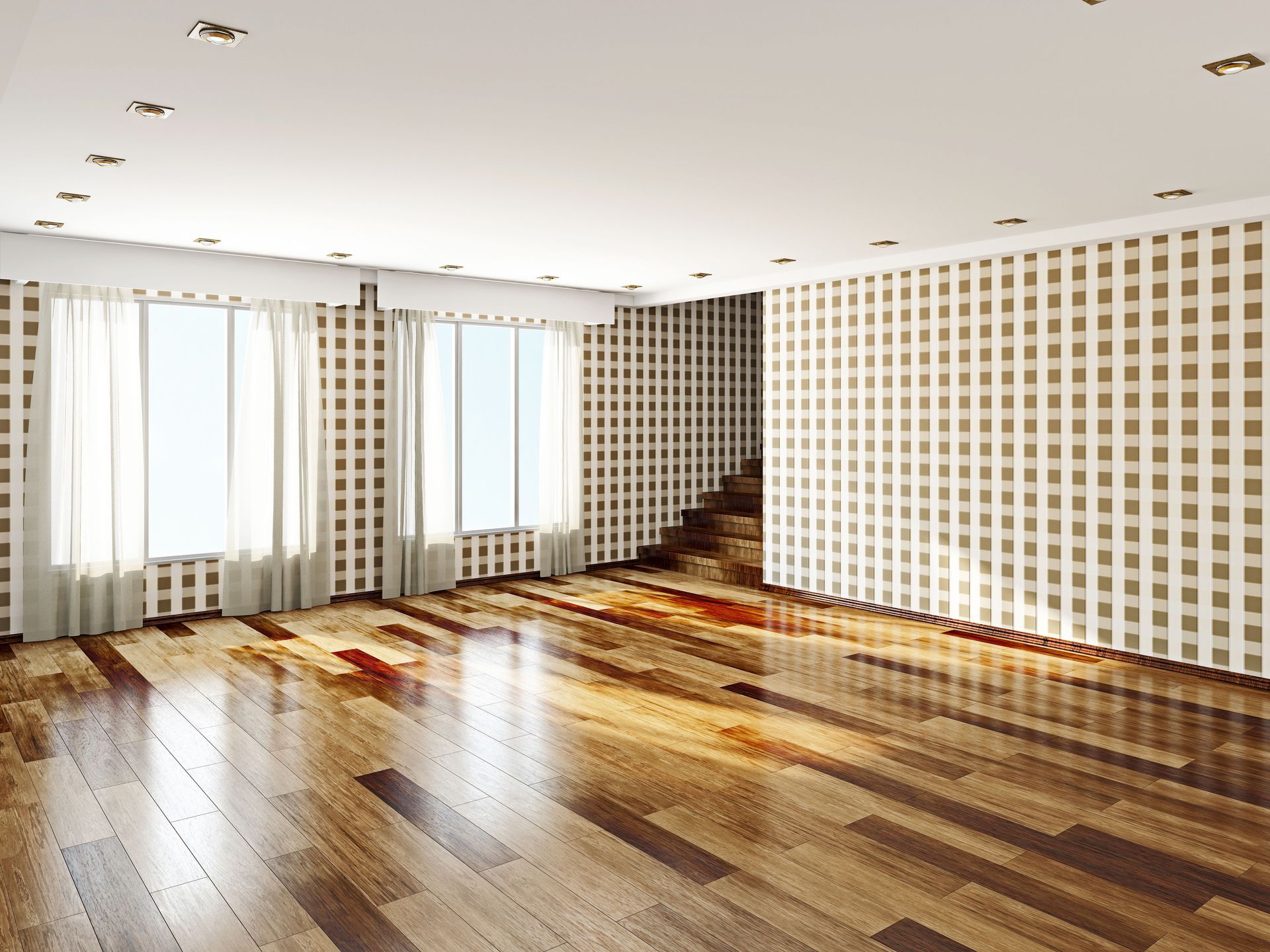
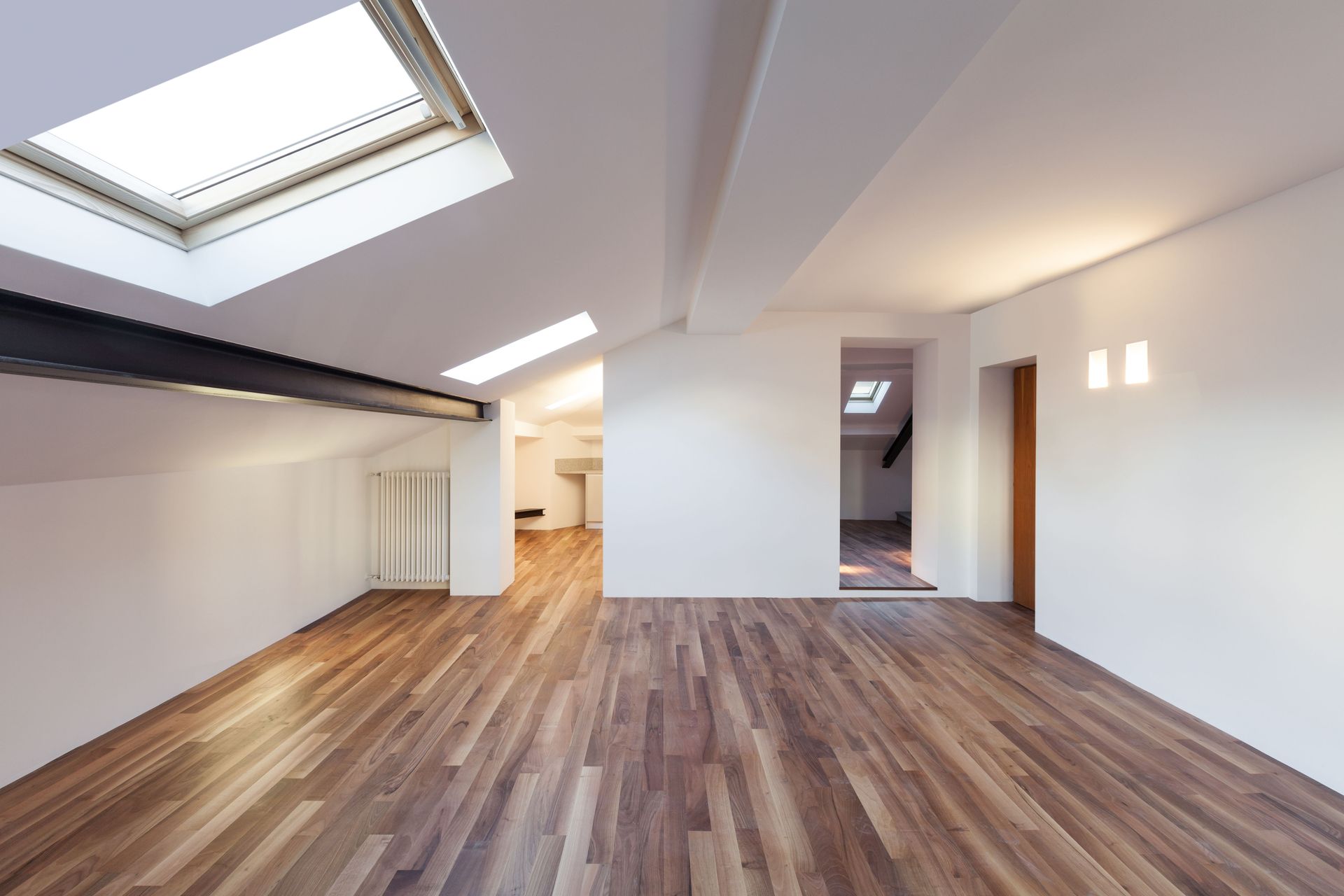
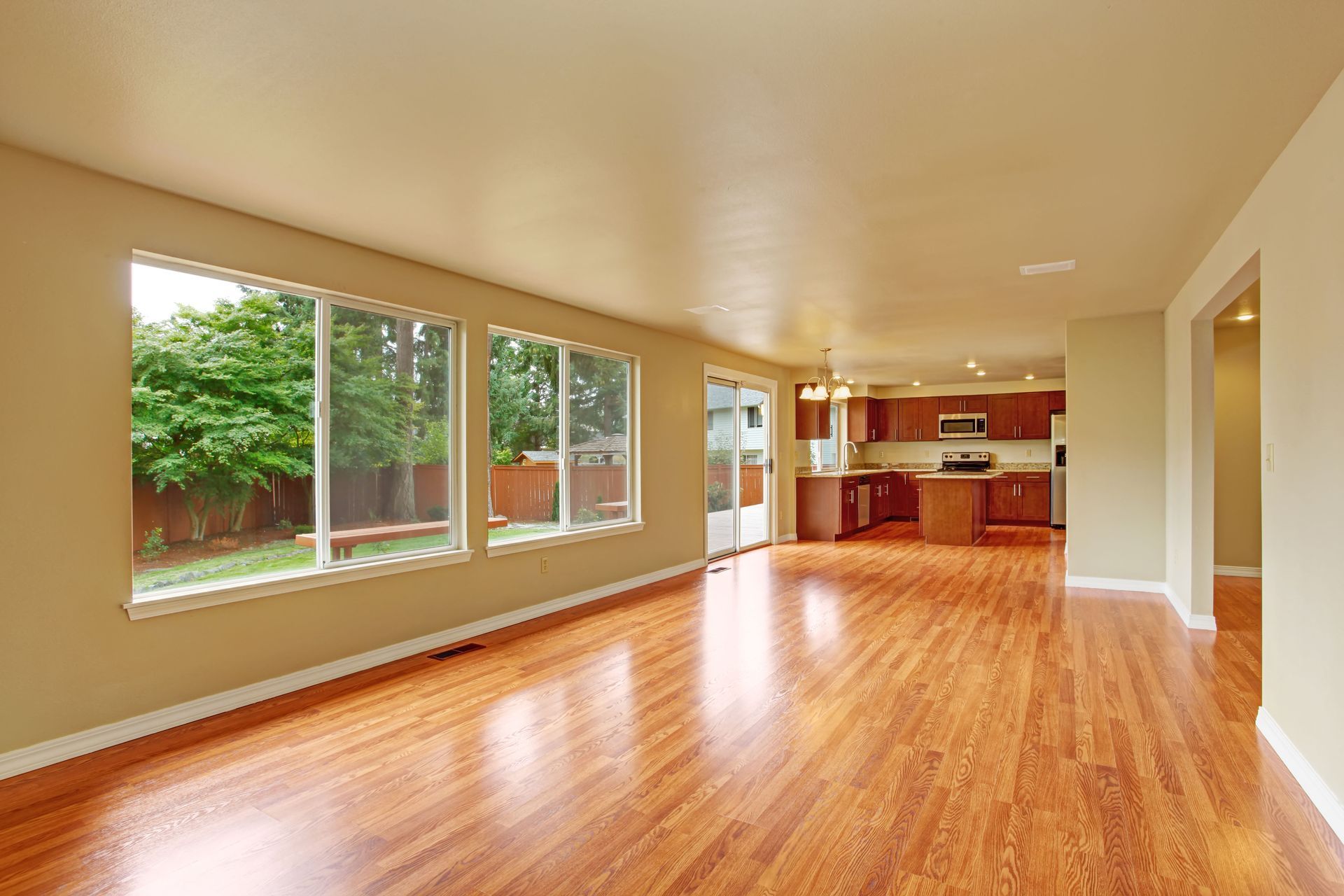
Hardwood floors have long been favored for their timeless appeal and durability. Their natural beauty and warmth offer a versatile foundation that can complement various interior styles. Buyers often perceive homes with hardwood floors as upscale and luxurious, adding perceived value to the property. Properly maintained hardwood flooring can also signify quality craftsmanship, increasing its desirability among prospective buyers. As such, homes with hardwood floors often enjoy a competitive edge in the market, attracting buyers willing to pay a premium for this classic feature. Many flooring stores highlight hardwood's strong resale value when advising homeowners on upgrade options.
With growing environmental awareness, eco-friendly flooring options have gained popularity among homebuyers. Materials such as bamboo, cork, and reclaimed wood appeal to environmentally conscious buyers interested in sustainable living. These flooring types not only reduce environmental impact but also enhance indoor air quality due to their low emissions. Eco-friendly flooring can increase a property's attractiveness to a niche market of buyers, potentially boosting the sale price. Staying informed about sustainable flooring trends, often showcased in modern flooring stores, can help homeowners align with buyer values and enhance their home's competitive edge.
3. Upgrading Floors: ROI and Buyer Preferences
Flooring upgrades can significantly impact a home's return on investment (ROI). Understanding the expected return for various flooring materials can guide homeowners in making prudent decisions. For instance, while hardwood floors might have a higher initial cost, their potential ROI is often greater due to their enduring appeal. In contrast, more cost-effective upgrades like laminate could also yield favorable returns, depending on the target market and comparable properties. As such, calculating potential returns and impacts on property value can help homeowners prioritize flooring projects more effectively.
Aligning flooring upgrades with current market trends is essential to maximize appeal. Market preferences can vary widely, with some buyers prioritizing sustainability while others prioritize luxury. Staying informed about emerging trends helps homeowners make selections that resonate with buyers, such as opting for eco-friendly options or popular styles like wide planks. Upgrading with an awareness of these trends can capture buyer interest and ensure that the home does not appear dated. A strategic approach to flooring upgrades can ensure relevance and appeal, aligning with buyer demand.
Buyer demographics significantly influence flooring preferences, and understanding these can inform smart upgrade choices. Families with children might value durable and stain-resistant surfaces, while young professionals might prefer modern and minimalistic designs. Retirees might favor comfort and easy maintenance, influencing choices toward soft carpets or forgiving vinyl. Recognizing the demographic most likely to be interested in your property helps tailor upgrades that will have the broadest appeal. Many homeowners visit flooring stores to compare materials that best suit the lifestyle needs of their target buyer. Such targeted enhancements increase the likelihood of attracting interest from the desired buyer segments.
4. The Impact of Flooring on Home Appraisals
Appraisers closely evaluate flooring conditions as part of the overall property assessment. The quality, type, and condition of the flooring contribute to their assessment of a home's value. Well-maintained flooring can add to a home's appraisal, suggesting that other areas of the house have received similar care. Damaged or outdated flooring, on the other hand, can detract from a home's perceived value and lead to lower appraisals. Understanding how appraisers view flooring can inform homeowners about potential areas for improvement and enhancement.
Flooring is an integral component of a home's value, influencing both appraisers' judgments and buyers' perceptions. High-quality, well-maintained flooring contributes positively to the overall assessment, often enhancing market value. Conversely, neglected flooring that detracts from the property's aesthetic and functional appeal can negatively impact its market position. Buyers and appraisers alike value flooring that aligns with market expectations, making flooring improvements a worthwhile investment for sellers. Recognizing the significant weight of flooring in the overall valuation of a home can prompt strategic upgrades that enhance property value.
5. Flooring Maintenance and Its Longevity
Maintaining floors in prime condition is essential for favorable showings. Clean, polished flooring can significantly elevate a home's appearance, leaving lasting impressions on potential buyers. Regular care and attention to detail ensure that any imperfections or signs of wear are addressed promptly. Such maintenance not only enhances aesthetics but also showcases a homeowner's dedication to overall home care. Ensuring that flooring is in its best condition during showings can help sway buyers in a competitive market.
Establishing a regular cleaning and maintenance routine can prolong flooring life and improve its appeal. Different flooring types require specific care practices, from gentle vacuuming of carpets to resealing stone surfaces. Scheduled cleanings prevent the buildup of dirt and grime, keeping floors looking their best and minimizing long-term damage. Simple tasks, such as wiping up spills promptly and using appropriate cleaning agents, are effective in maintaining floor health. Consistent upkeep is a cornerstone of presenting a well-cared-for home, offering reassurance to prospective buyers.
Ultimately, flooring plays a much larger role in a home's marketability than many sellers realize. From shaping first impressions to influencing appraisals, the quality, consistency, and condition of your floors can directly impact buyer perception and overall value. By selecting materials that align with market trends, maintaining floors to showcase their best features, and making strategic upgrades when needed, homeowners can position their properties more competitively in a crowded real estate landscape. Visiting local flooring stores can help sellers compare materials, explore trends, and make informed decisions that support these goals. Whether preparing to sell now or planning future improvements, investing in thoughtful flooring choices is a proven way to enhance both the appeal and long-term value of a home. For more information about the services that we offer, reach out to our incredible team at Your Flooring LLC today!
Share On: