

How to Choose a Hardwood Stain Color That Won't Go Out of Style
Choosing a hardwood stain color is an important decision that can influence the overall appearance and atmosphere of a home for years. While design trends come and go, certain wood tones have a timeless appeal that complements a range of decorating styles and interior finishes. Understanding how stain colors interact with natural lighting, furniture, and existing features can help homeowners make a choice they will appreciate long after installation. With guidance from a trusted flooring store, selecting a classic hardwood finish becomes much easier.
Understanding the Appeal of Timeless Wood Tones
Hardwood flooring has remained a popular choice because of its natural beauty, durability, and versatility. However, the stain color can significantly affect how the floors look and how well they complement the rest of the home. Choosing a timeless shade means looking beyond current design trends and considering colors that have remained appealing across different generations of interior design.
Natural wood tones, medium browns, and warm neutrals are often reliable options because they work with a variety of furniture styles and color palettes. These shades can complement traditional, transitional, farmhouse, and contemporary interiors without making the space feel dated.
According to the National Association of Realtors (NAR), new wood flooring ranks among the leading interior improvements that REALTORS® believe appeal to potential homebuyers. This highlights how hardwood flooring can enhance a home's overall appeal, making it worthwhile to choose a stain that delivers lasting visual value.
A knowledgeable flooring store can help homeowners explore different wood tones and understand how each option may look in their particular space.
Considering Natural and Medium Wood Shades
Natural and medium wood tones are among the most versatile choices for homeowners who want their hardwood floors to remain stylish. Rather than relying on dramatic colors or finishes that may become associated with a particular decorating era, these shades provide a neutral foundation that adapts to changing preferences.
Some popular timeless options include:
- Natural Oak: Light, natural oak highlights the wood's grain and texture while creating a clean, understated appearance.
- Honey Brown: This warm shade adds character and coziness without appearing overly dark or orange.
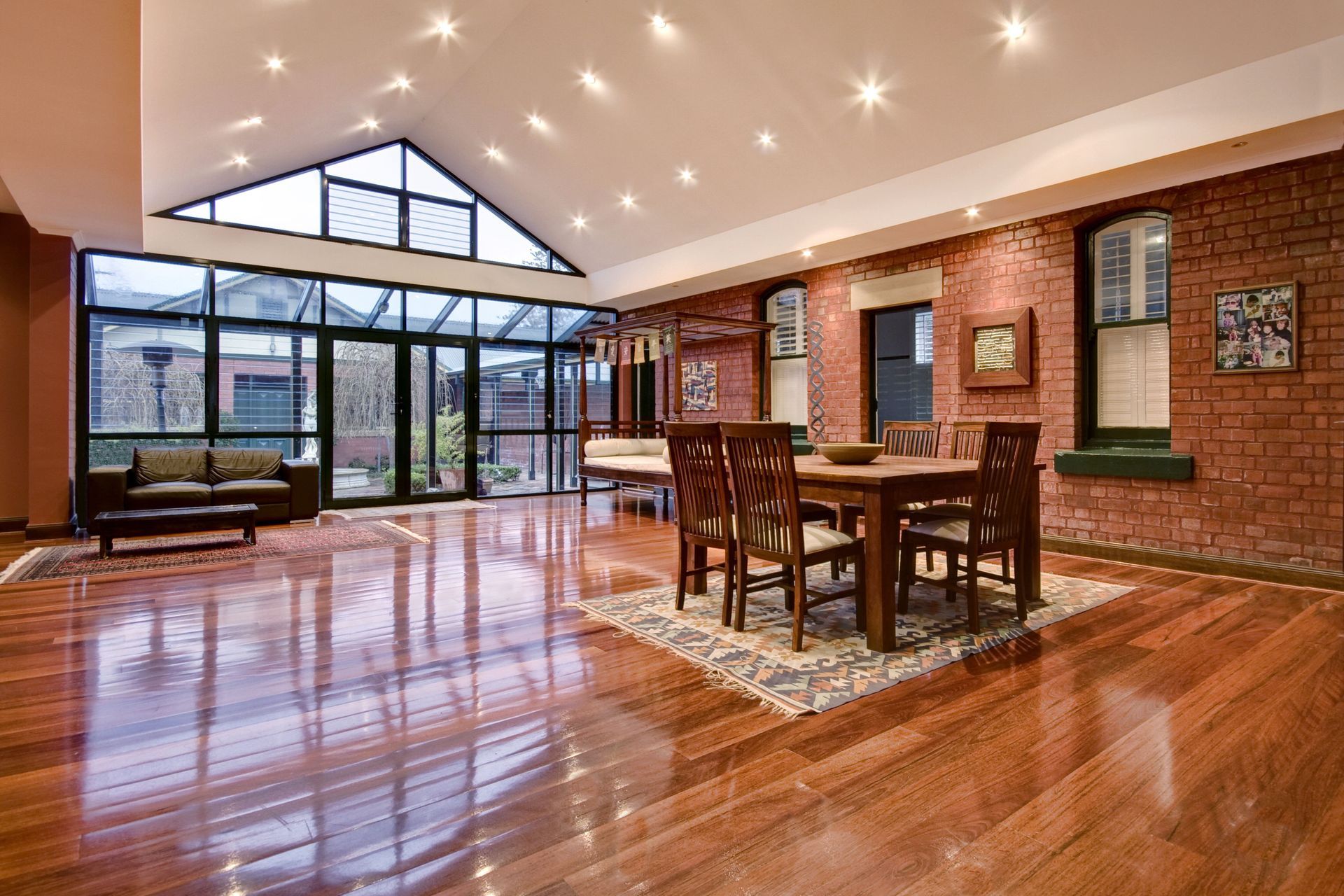
- Classic Walnut: Medium-to-dark brown walnut tones offer richness and sophistication while maintaining a traditional appearance.
- Neutral Brown: Balanced brown tones offer versatility and pair well with a wide range of wall colors, furniture, and decorative accents.
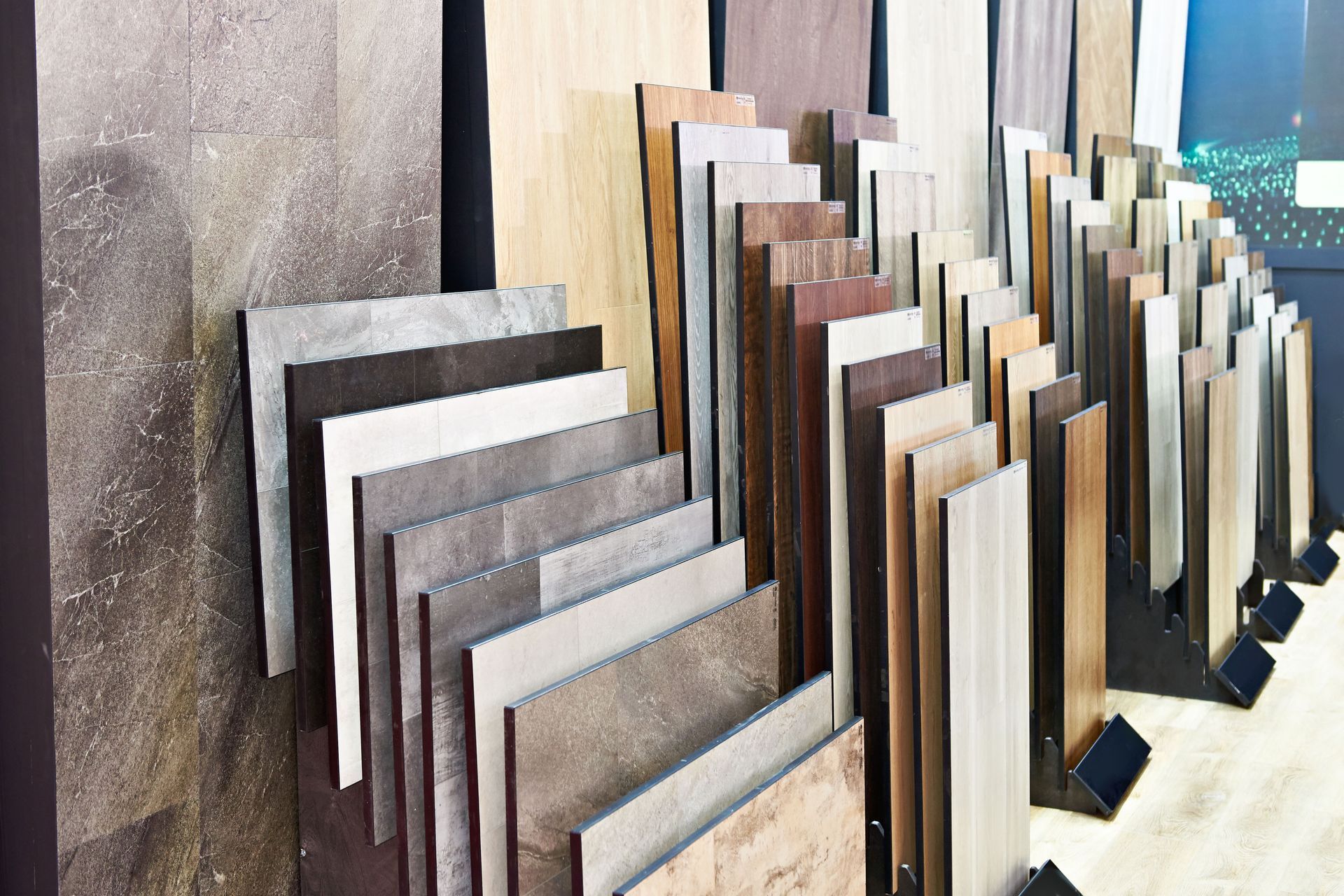
When comparing these options, homeowners should consider the existing architectural features and the overall atmosphere they want to create. Visiting a flooring store can provide an opportunity to examine different wood samples and compare their undertones before making a decision.
Evaluating Lighting and Existing Interior Colors
Lighting plays a significant role in how hardwood stain colors appear throughout the day. A shade that looks warm and inviting in a showroom may appear completely different under natural sunlight or artificial lighting at home.
Rooms with large windows and plenty of natural light can accommodate darker stains without feeling overly enclosed. However, smaller rooms or spaces with limited sunlight may benefit from lighter or medium wood tones that help maintain an open, welcoming atmosphere.
Homeowners should also consider how the stain will coordinate with other interior finishes, including:
- Wall Colors: Neutral walls generally complement a wide range of hardwood stains, while bold paint colors may require more careful coordination.
- Cabinetry: Kitchen cabinets and built-in storage should work with the flooring rather than compete with it.
- Furniture: Existing furniture can help determine whether warm, cool, light, or dark wood tones will create the most balanced appearance.
- Trim and Doors: Matching or complementary undertones can create a more cohesive look throughout the home.
Before selecting a stain, homeowners should view samples in the rooms where the flooring will be installed. A reputable flooring store can help narrow down the choices and explain how different finishes may interact with the home's existing colors.
Avoiding Trend-Driven Stain Choices
Following popular interior design trends can be tempting, especially when certain hardwood colors appear frequently in magazines and home improvement inspiration. However, some finishes may lose their appeal as decorating preferences change.
Extremely gray, heavily distressed, or unusually dark stains can create a distinctive appearance that may be more difficult to coordinate with future design updates. While these finishes can work beautifully in certain homes, they may limit decorating flexibility over time.
Instead of selecting a stain solely because it is currently popular, homeowners should consider whether they would still enjoy the color if their furniture, wall paint, or overall decorating style changed.
A few helpful considerations include:
- Choose colors that complement multiple decorating styles.
- Avoid overly dramatic undertones that may clash with future design changes.
- Consider how the stain will look alongside different furniture and wall colors.
- Prioritize natural wood characteristics over short-lived design trends.
A flooring store with a variety of hardwood options can help homeowners compare traditional finishes with more contemporary alternatives. The goal is to find a shade that reflects personal taste while maintaining long-term versatility.
Matching Stain Colors to Hardwood Species
The type of wood being stained can influence the final color just as much as the stain itself. Different hardwood species have unique grain patterns, natural undertones, and absorption characteristics. As a result, the same stain may produce noticeably different results depending on the material.
Oak, for example, has a prominent grain pattern that can add visual interest to both light and dark finishes. Maple generally has a more subtle grain, while walnut naturally offers deeper brown tones that may require less color adjustment to achieve a rich appearance.
Homeowners should consider the following factors when comparing hardwood species:
- Natural Color: The wood's original color can influence the stain's final appearance.
- Grain Pattern: Some species have pronounced grain variations, while others offer a smoother, more uniform appearance.
- Stain Absorption: Different wood types absorb stain at varying rates, which can affect color consistency.
- Existing Finish: Previously finished hardwood may require professional preparation before a new stain can be applied.
Working with an experienced flooring store can help homeowners understand these differences and select a hardwood option that meets their design preferences.
Testing Samples Before Making a Final Decision
One of the most effective ways to avoid choosing an unsuitable stain is to test samples before committing to a color. Looking at small samples in a showroom can provide a starting point, but homeowners should also consider how the stain looks in their own lighting and surroundings.
If the project involves existing hardwood, professional sanding and finishing may allow homeowners to explore different stain options without replacing the entire floor. Your Flooring LLC offers hardwood flooring restoration, sanding, and finishing services to help homeowners refresh their existing surfaces.
When evaluating samples, homeowners should:
- View samples in both natural and artificial lighting.
- Compare colors against existing cabinets, furniture, and wall finishes.
- Examine the samples at different times of the day.
- Consider how the color looks across a larger surface rather than judging a small sample alone.
- Evaluate the overall finish and sheen, not just the stain color.
Taking time to compare these details can prevent disappointment and help ensure the finished floors complement the home's interior.
Creating a Lasting Look With the Right Hardwood Stain
Selecting a hardwood stain that will not go out of style involves more than choosing a color that looks attractive today. Homeowners should consider natural wood tones, existing interior finishes, lighting conditions, hardwood species, and long-term maintenance before making their final decision. Neutral and medium brown shades often provide the versatility needed to accommodate changing decorating preferences while preserving the natural character of hardwood.
Whether updating existing floors or planning a new installation, working with an experienced flooring store can make the selection process easier. Contact Your Flooring LLC today to explore hardwood flooring options, discuss restoration and finishing services, and find a timeless look for your home.
Share On: