
Solid or Engineered Hardwood? What Works Best in West Tennessee Homes
Few home upgrades add warmth and character quite like real wood floors. But once you decide on hardwood, another question quickly follows: should you choose solid or engineered? Both options offer the natural beauty of real wood, yet they're built differently and perform differently depending on where and how they're installed. In West Tennessee, where hot, humid summers and cooler winters cause noticeable seasonal changes, that choice matters even more. Below, we'll compare solid and engineered hardwood and explain how our flooring store helps homeowners choose the option that works best for their homes.
Understanding Solid Hardwood
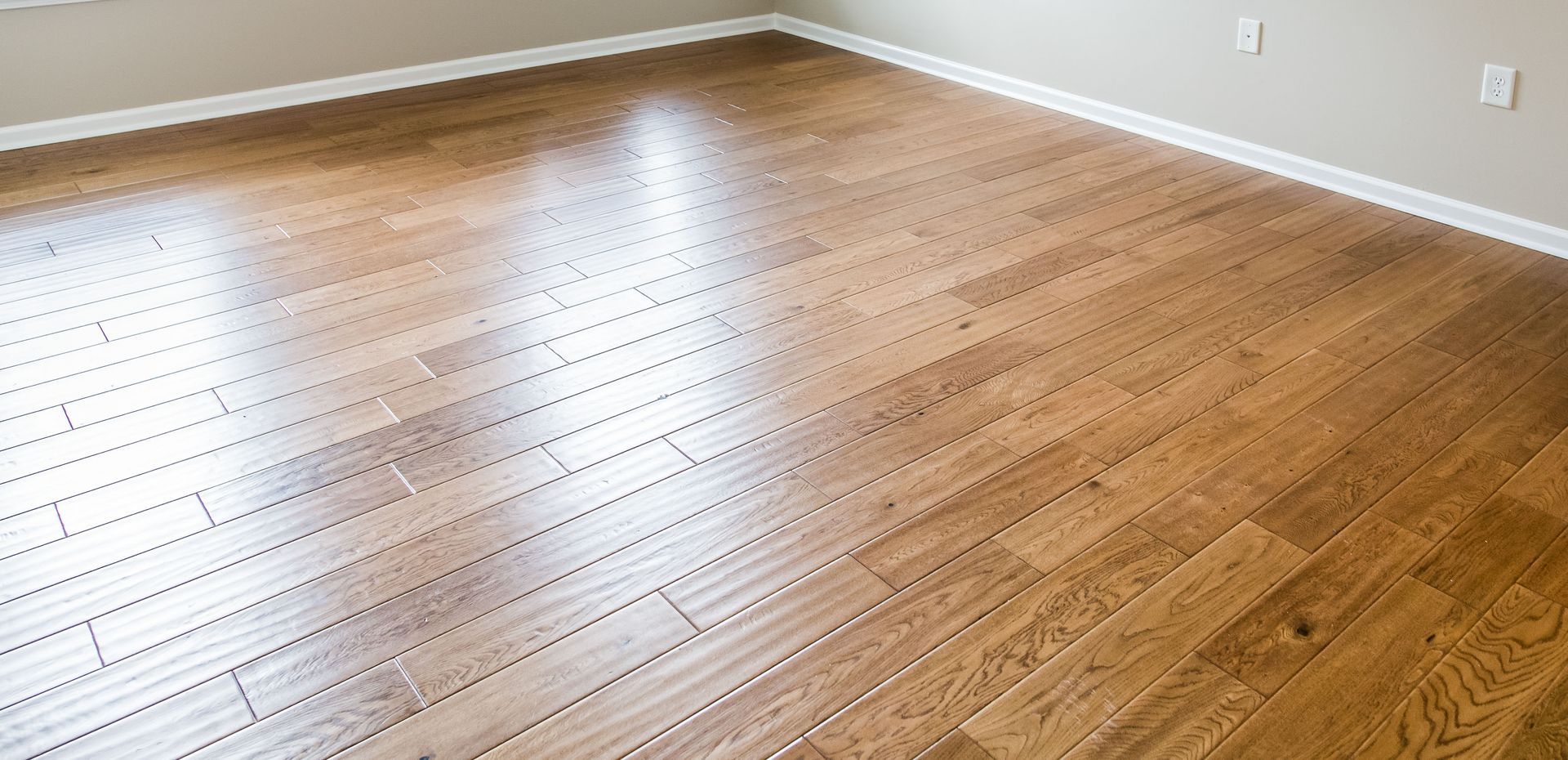
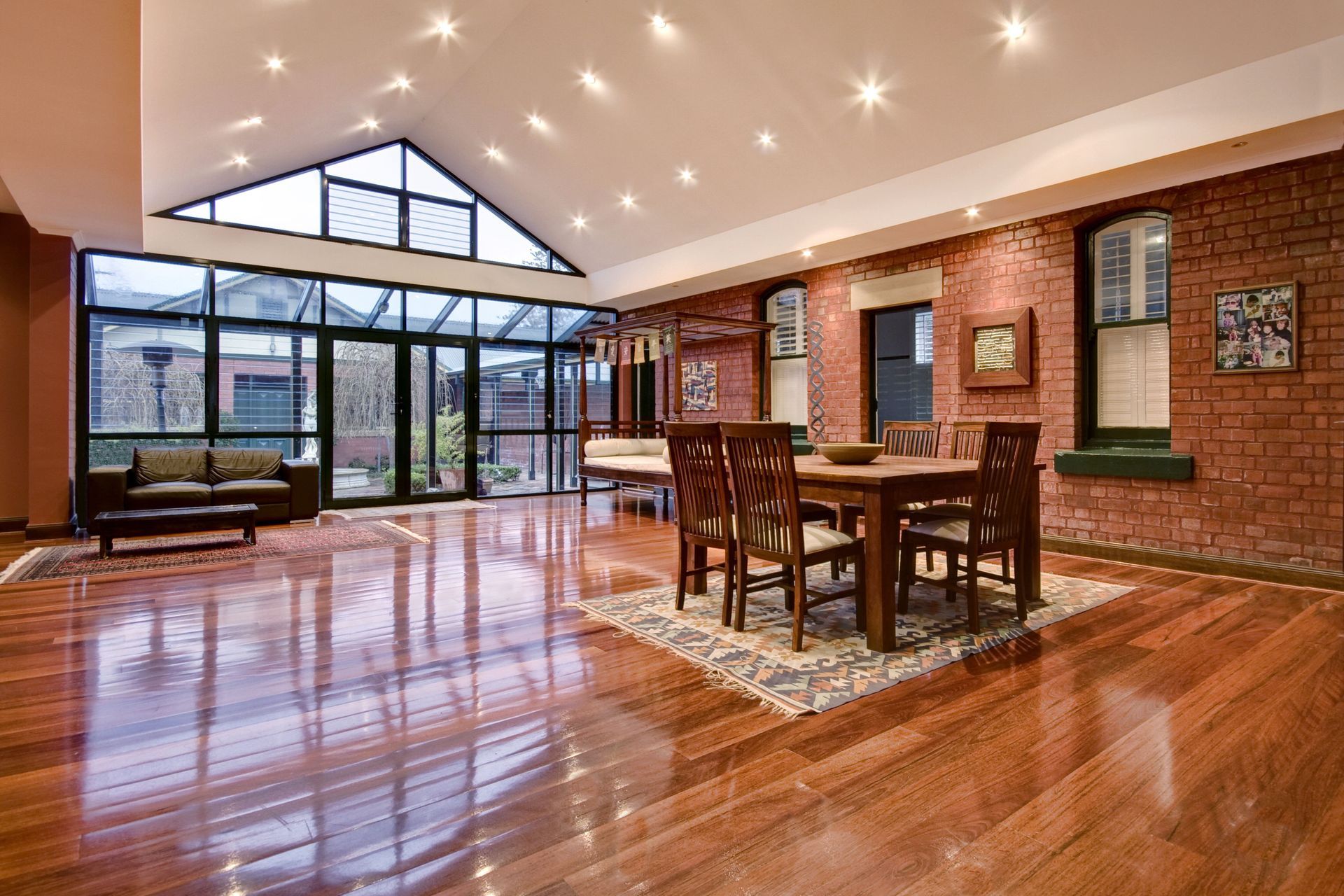
Solid hardwood is exactly what it sounds like: each plank is milled from a single piece of wood, typically about three-quarters of an inch thick. It's the traditional choice that has been used in homes for generations, and many older houses still have their original solid wood floors today. Because the entire plank is real wood, solid hardwood can be sanded and refinished many times over its life. Popular species like oak, hickory, and maple each bring their own grain patterns, colors, and levels of hardness. Solid hardwood is typically nailed or stapled to a wood subfloor, which gives it a solid, sturdy feel underfoot. For many homeowners, it represents the classic look and feel of a true hardwood floor.
Understanding Engineered Hardwood
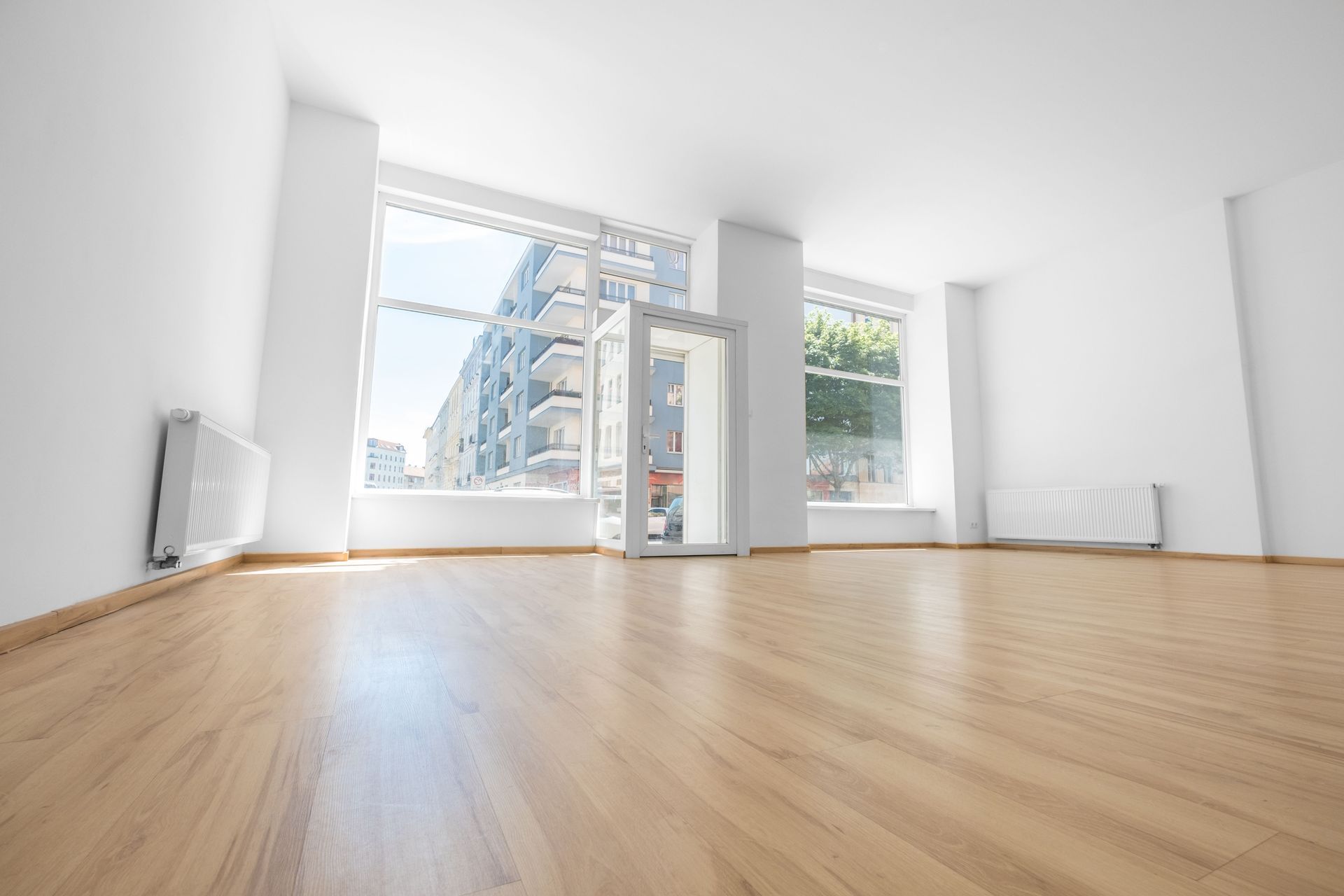
Engineered hardwood features a top layer of real wood, called the wear layer, bonded to multiple layers of plywood or another stable core. From the surface, it looks just like solid hardwood, with the same natural grain and finish options. The layered construction makes engineered flooring more resistant to expansion and contraction caused by changes in temperature and humidity. That stability allows it to be installed in places where solid hardwood may not be recommended. Engineered planks are also available in wide widths and long lengths, which many homeowners love for a more modern, open look. Visiting our flooring store is a great way to see how closely engineered products resemble solid wood in person.
Considering West Tennessee's Humidity
Wood is a natural material, and it responds to moisture in the air. During humid West Tennessee summers, wood absorbs moisture and expands. In drier winter months, especially when the heat is running, it releases moisture and contracts. Solid hardwood can be more prone to gapping, cupping, or buckling when these changes are significant. Engineered hardwood's cross-layered core helps it resist this movement, which can make it a dependable choice for homes with fluctuating humidity. Keeping indoor humidity relatively steady with your HVAC system, and a humidifier or dehumidifier if needed, can help either type of floor perform its best. Proper acclimation before installation is also important for long-term results.
Looking at Your Subfloor
The type of subfloor in your home has a big impact on which flooring will work best. Solid hardwood is generally installed over a wood subfloor, since it's usually nailed or stapled in place. Many homes in the Memphis area and surrounding communities are built on concrete slabs, where solid hardwood may not be the best fit. Engineered hardwood can often be glued down or floated over concrete, making it a more versatile option for slab homes. Homes with crawl spaces may also need moisture control measures to protect wood flooring above. Our team can evaluate your subfloor during an in-home visit and recommend the right product and installation method.
Choosing the Right Rooms
Where you plan to install your floors should also guide your decision. Solid hardwood is a great fit for above-grade living areas like living rooms, dining rooms, bedrooms, and hallways. Engineered hardwood can often be used in many of those same spaces, as well as areas where solid wood may struggle, such as basements and some ground-level rooms over concrete. Kitchens can work with either option, though spills should be wiped up quickly to protect the finish. Full bathrooms and laundry rooms are often better suited for water-resistant materials like LVP, LVT, or tile. Talking through your plans with our flooring store team helps you choose the best material for each room.
Comparing Refinishing Potential
One of solid hardwood's biggest advantages is its ability to be refinished many times. Over the years, you can sand away scratches and wear or change the stain color to update your home's look. Engineered hardwood can also be refinished, but how often depends on the thickness of its wear layer. Products with a thicker wear layer may be refinished once or more, while thinner wear layers may allow only light screening and recoating. If you plan to stay in your home for decades or want the flexibility to change colors in the future, refinishing potential is worth considering. Asking about wear layer thickness can help you compare engineered products more accurately.
Understanding Installation Options
Solid and engineered hardwood are installed in different ways, and the method can affect both cost and performance. Solid hardwood is typically nailed or stapled to a wood subfloor. Engineered hardwood may be nailed, stapled, glued down, or floated, depending on the product and the subfloor. Floating installations can be quicker in some cases, while glue-down installations offer a solid feel over concrete. Proper subfloor preparation, moisture testing, and expansion gaps are important no matter which method is used. The licensed, insured installers at our flooring store follow these steps carefully so your new floors look great and perform well for years.
Weighing Cost and Long-Term Value
Both solid and engineered hardwood are investments that can add beauty and value to your home. Hardwood remains a popular choice nationwide, and the industry itself plays a meaningful role in the economy. The US hardwood flooring industry contributes $4 billion to U.S. gross domestic product, according to the National Wood Flooring Association. Pricing for both solid and engineered options varies depending on species, plank width, finish, and quality. Engineered hardwood can sometimes reduce installation costs on concrete slabs, while solid hardwood's long lifespan and refinishing potential can provide value over many decades. Looking at the total cost of materials, installation, and long-term care helps you make the right choice for your budget.
Seeing Samples in Person
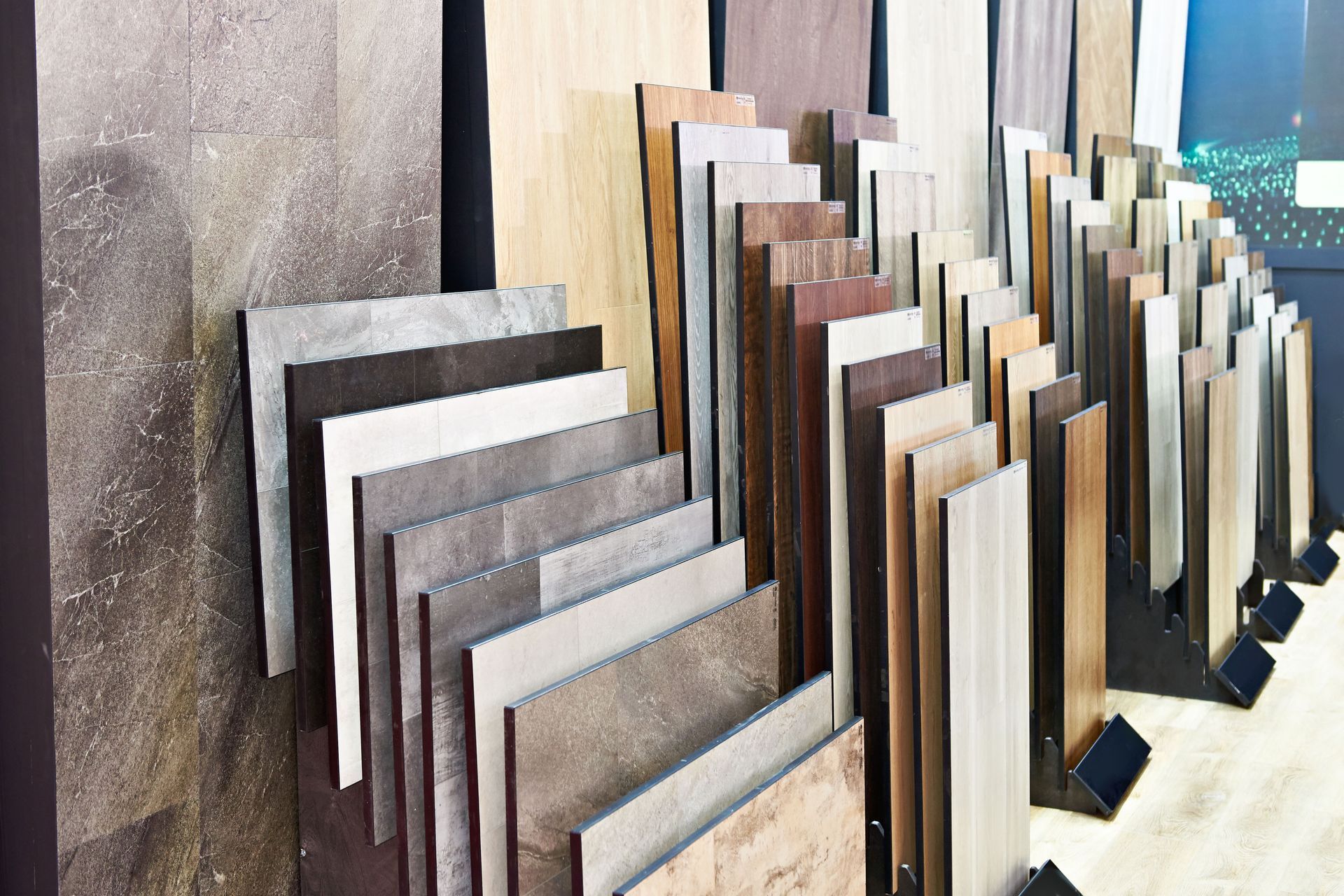
Photos online can only show so much. Seeing and touching flooring samples in person helps you compare color, texture, grain, and finish more accurately. Lighting in your home can also change how a floor looks, so taking samples home or viewing them during an in-home estimate can be helpful. Comparing solid and engineered options side by side often makes the decision much easier. Our knowledgeable team can answer questions and explain the differences between products as you browse. Stopping by our flooring store gives you the chance to explore a wide range of hardwood options and find the perfect fit for your home.
At Your Flooring LLC, we're a local, veteran-owned
flooring store helping homeowners throughout Fayette County and Shelby County, Tennessee, find the right floors for their homes. With showrooms in Oakland and Somerville, we offer solid and engineered hardwood flooring along with LVP, LVT, laminate, tile, and carpet. Our fully licensed and insured installers bring more than 40 years of combined industry experience, and all work can be guaranteed in writing upon request. We offer free same-day in-home estimates, and walk-ins are always welcome. Contact Your Flooring LLC today to schedule your free estimate.
Share On: